
If you have ever stood in front of the mirror and felt your confidence drain because of dark spots, uneven skin tone, or stubborn melasma, you are not alone. Millions of South African women battle hyperpigmentation every single day. And the painful truth is that most of them are using the wrong treatment for their skin type.
This guide is for you. We break down everything you need to know about hyperpigmentation treatment in South Africa, what works, what does not, why your skin type matters more than any trending product, and how the right solution can give you back the confidence you deserve. Whether you are dealing with post-acne marks, hormonal melasma, or years of sun damage, this is the most complete resource written specifically for South African women and our skin.
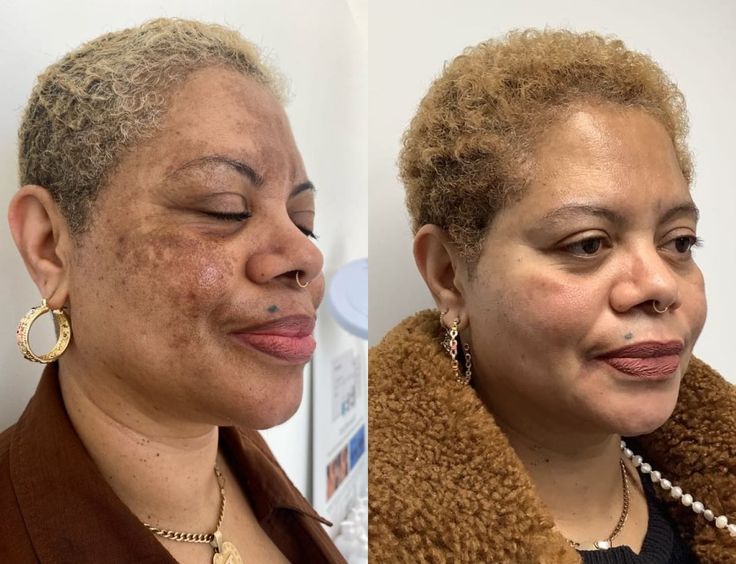
If you are ready to skip ahead and see what is working for thousands of South African women right now, take a look at our Glow Light Cream — formulated specifically for melanin-rich South African skin.
What Is Hyperpigmentation and Why Does It Happen?
Hyperpigmentation is a common skin condition where certain areas of the skin produce excess melanin, the pigment responsible for skin, hair, and eye colour. When melanin production is triggered beyond its normal level, patches or spots on the skin appear darker than the surrounding area. It is not harmful to your physical health, but the emotional and psychological impact it carries for millions of South African women is very real and very significant.
Melanin is produced by cells called melanocytes. When these cells are stimulated by inflammation, sun exposure, hormonal changes, or skin injury, they go into overdrive and produce more pigment than the skin needs. That excess pigment rises to the surface and creates the dark marks, patches, and uneven tone that so many of us know too well.
According to the South African Dermatology Association, hyperpigmentation is one of the most common dermatological concerns among South African patients, with post-inflammatory hyperpigmentation and melasma being the two most frequently treated conditions in local clinics.
Understanding why your hyperpigmentation started is the first step toward treating it correctly. The cause determines the treatment. And in South Africa, the causes are often layered and complex.
The Most Common Types of Hyperpigmentation in South Africa
Post-Inflammatory Hyperpigmentation
Post-inflammatory hyperpigmentation, commonly known as PIH, is one of the most widespread forms of pigmentation in South Africa. It occurs when the skin experiences inflammation, whether from acne, a cut, eczema, an insect bite, or even an allergic reaction, and the healing process triggers excess melanin production. The result is a dark mark left behind long after the original wound or pimple has healed.
PIH is particularly persistent in deeper skin tones because melanin-rich skin is more reactive to any form of inflammation. This means that for many South African women, a single breakout can leave behind a dark spot that takes months to fade without proper treatment.
Melasma
Melasma is a form of hormonal pigmentation that appears as larger patches of darkened skin, most commonly on the cheeks, forehead, upper lip, and chin. It is strongly linked to hormonal changes, which is why it often develops during pregnancy, while using hormonal birth control, or during menopause. It is also called the mask of pregnancy for this reason.
In South Africa, melasma is worsened by our intense year-round sun exposure. UV radiation stimulates the melanocytes responsible for melasma, making it one of the most stubborn and frustrating forms of pigmentation to treat. It requires a consistent, long-term approach that combines targeted active ingredients with strict daily sun protection.
Sun Damage and Age Spots
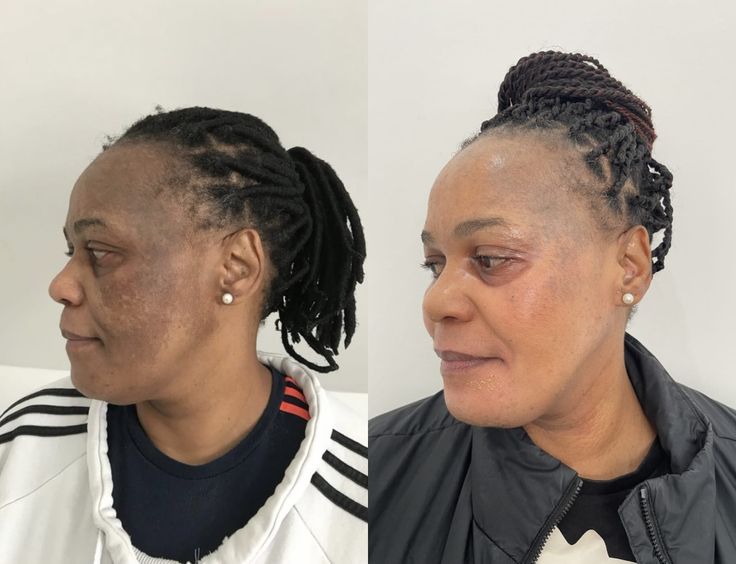
South Africa receives some of the highest levels of ultraviolet radiation in the world. Years of sun exposure, even incidental daily exposure during commutes or outdoor activities, accumulate over time and result in flat brown spots known as sun spots or age spots. These are most common on the face, hands, shoulders, and chest, the areas that receive the most UV exposure throughout a lifetime.
Unlike PIH, sun damage spots tend to develop slowly over years rather than appearing suddenly after a specific event. They can be successfully treated but require consistent effort and ongoing sun protection to prevent new spots from forming.
Freckles and Genetic Pigmentation
Some forms of pigmentation are genetic and appear as small concentrated spots of melanin, most commonly known as freckles. While these are not a clinical skin condition, many South African women seek to even out their overall skin tone and reduce the appearance of genetic pigmentation alongside other forms of hyperpigmentation as part of a broader brightening routine.
Why Hyperpigmentation Is Harder to Treat in South Africa
Two powerful and interconnected factors make hyperpigmentation uniquely challenging for South African women compared to women in other parts of the world.
Intense UV Radiation Year-Round
South Africa sits in a region that receives extremely high levels of UV radiation throughout the entire year, not just in summer. The UV index regularly reaches dangerous levels even on overcast days, and many South African women spend time outdoors without adequate sun protection. Health24 notes that South Africa has one of the highest rates of sun-related skin damage in the southern hemisphere, making sun protection a critical public health priority beyond cosmetic concerns.
This matters enormously for hyperpigmentation treatment because UV radiation is the single most powerful trigger for melanin overproduction. Even if you are using the most effective brightening treatment available, daily unprotected sun exposure will undo your progress faster than the treatment can work. This is why sun protection is not just a recommendation in South Africa. It is the absolute foundation that every treatment plan must be built on.
Melanin-Rich Skin Behaves Differently
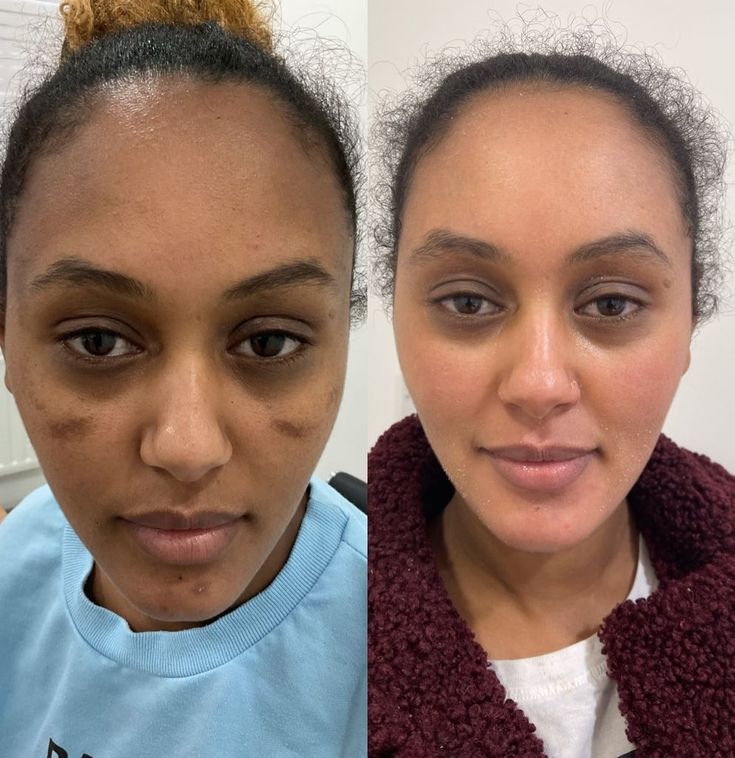
Darker skin tones contain more active melanocytes and produce more melanin than lighter skin tones. This is a natural and beautiful characteristic of our skin, but it also means our skin responds very differently to inflammation, injury, and external treatments compared to skin types commonly represented in international skincare research.
Melanin-rich skin is more prone to post-inflammatory hyperpigmentation, more reactive to harsh ingredients, and more likely to develop rebound pigmentation if treated aggressively or incorrectly. Many treatments that are safe and effective for lighter skin tones can cause significant darkening in deeper South African complexions.
This is the fundamental reason why generic or imported treatments often fail South African women, and in some cases make the situation significantly worse. A treatment designed for our skin must account for our melanin levels, our UV environment, and our unique biological response to active ingredients. You can read more about what makes an effective local solution in our guide to the best skin whitening treatment for South African skin.
The Most Effective Hyperpigmentation Treatments for South African Skin
Targeted Topical Treatments with Proven Active Ingredients
The most accessible and widely used approach to hyperpigmentation treatment in South Africa is through topical skincare products formulated with clinically proven brightening ingredients. When chosen carefully and used consistently, these ingredients can deliver significant and lasting results without the risks associated with more aggressive procedures.
Niacinamide, also known as vitamin B3, is one of the most well-researched brightening ingredients available. It works by interrupting the transfer of melanin to the skin surface, reducing the appearance of dark spots over time. It is anti-inflammatory, strengthens the skin barrier, minimises pores, and is exceptionally well tolerated by all skin tones including deeper complexions. It is considered a foundational ingredient for any South African hyperpigmentation routine.
Alpha arbutin is a gentle and highly effective brightening agent derived from plants. It inhibits the enzyme tyrosinase, which is responsible for melanin production. Unlike some older brightening ingredients, alpha arbutin is considered safe for melanin-rich skin when used at appropriate concentrations and delivers consistent fading results with regular use over eight to twelve weeks.
Kojic acid is derived from fungi and has been used in skincare for decades as a natural brightening ingredient. It works in a similar way to alpha arbutin by inhibiting tyrosinase activity. It is particularly effective for sun damage and post-inflammatory pigmentation and is generally well tolerated by South African skin tones when formulated at appropriate levels.
Vitamin C in its stable and bioavailable forms is both a powerful antioxidant and a brightening agent. It neutralises free radicals caused by UV exposure, inhibits melanin production, and promotes a more even and radiant skin tone. It works particularly well when combined with other brightening actives and with a high SPF sunscreen during the day, making it an ideal morning treatment ingredient for South African women.
Azelaic acid is a multi-functional ingredient with brightening, anti-inflammatory, and antibacterial properties. It is especially useful for South African women dealing with both acne and the post-inflammatory pigmentation that follows, as it addresses both concerns simultaneously. It is one of the few brightening ingredients considered safe during pregnancy, making it valuable for treating pregnancy-related melasma.
Tranexamic acid is a newer brightening ingredient gaining significant attention in dermatology worldwide. It works by disrupting the communication between keratinocytes and melanocytes that triggers excess pigmentation, making it particularly effective for melasma and UV-induced pigmentation. It is well tolerated across all skin tones and increasingly available in South African skincare formulations targeting stubborn pigmentation.
Our Glow Light Cream combines the most effective of these brightening actives in a single formulation designed specifically for South African skin, delivering visible results without the harshness that causes rebound pigmentation in melanin-rich complexions.
Chemical Peels
Professional chemical peels remove the outermost layers of skin, taking accumulated pigmentation with them and stimulating fresh, more evenly toned skin to the surface. For South African skin tones, lactic acid and mandelic acid peels are the most appropriate options as they are gentler on melanin-rich skin and carry a lower risk of causing post-inflammatory hyperpigmentation from the peel itself.
It is critically important that chemical peels on darker skin tones are performed by a qualified professional with specific experience and training in treating melanin-rich complexions. An incorrectly performed peel can cause burns, severe post-inflammatory hyperpigmentation, and in extreme cases permanent scarring that is far more difficult to treat than the original pigmentation.
Microneedling
Microneedling uses fine needles to create controlled micro-injuries in the skin, stimulating the natural wound healing response and collagen production. When combined with brightening serums, microneedling significantly increases their absorption and effectiveness, making it a powerful in-clinic treatment for PIH, melasma, and uneven skin texture.
When performed correctly on South African skin tones by an experienced practitioner, microneedling delivers impressive and long-lasting results. As with chemical peels, it must be carried out by a qualified professional to avoid triggering additional post-inflammatory hyperpigmentation from the procedure itself.
Sun Protection as a Non-Negotiable Foundation
No hyperpigmentation treatment in South Africa will deliver lasting results without daily broad-spectrum SPF 50 or higher sunscreen applied every single morning, regardless of weather, season, or skin tone. This is the single most important step in any pigmentation treatment plan and unfortunately the one most commonly skipped by South African women.
Many women with deeper skin tones hold the misconception that their natural melanin provides sufficient sun protection and that sunscreen is unnecessary for them. While melanin does provide some degree of natural UV protection, it is not sufficient to prevent UV-triggered melanin overproduction, particularly in South Africa’s extreme UV environment. Daily broad-spectrum sunscreen is essential for every skin tone without exception.
What to Avoid When Treating Hyperpigmentation on South African Skin
Hydroquinone has long been considered a gold standard for hyperpigmentation treatment, but long-term or unsupervised use on darker skin tones carries the risk of ochronosis, a condition in which the skin develops permanent bluish-black darkening that is far more difficult to treat than the original hyperpigmentation. If used at all, hydroquinone should only be used under the direct supervision of a qualified dermatologist and never as a long-term maintenance solution.
Harsh physical exfoliants such as rough scrubs and abrasive brushes cause microscopic inflammation in the skin with every use. For South African skin tones, this repeated inflammation is a direct and consistent trigger for post-inflammatory hyperpigmentation. Chemical exfoliants such as lactic acid and glycolic acid used at appropriate concentrations are a far safer and more effective approach to regular exfoliation for melanin-rich skin.
Unqualified laser treatments pose a serious risk for darker skin tones. Certain laser wavelengths used at incorrect settings can cause severe burns and permanent pigmentation changes in melanin-rich skin. Any laser treatment for hyperpigmentation must be performed by a dermatologist or qualified aesthetic practitioner with documented experience and training in treating South African skin tones specifically.
Generic imported products formulated primarily for lighter European or North American skin tones are often inappropriate and potentially harmful for South African complexions. They may contain concentrations of active ingredients too aggressive for melanin-rich skin or lack the formulation balance needed to treat our unique skin challenges safely and effectively over the long term.
Building a Complete Hyperpigmentation Routine for South African Skin
An effective routine for treating hyperpigmentation in South Africa does not need to be complicated or expensive. It needs to be consistent, targeted, and built on the right ingredients for your specific skin type and concerns.
In the morning, cleanse gently with a non-stripping cleanser, apply a vitamin C serum to combat UV-triggered melanin production throughout the day, follow with your moisturiser, and finish with SPF 50 or higher as the absolute final step before leaving home. No treatment product or moisturiser should be applied on top of your sunscreen as this dilutes its protective effectiveness.
In the evening, cleanse thoroughly to remove sunscreen, makeup, and the pollution your skin has been exposed to throughout the day. Apply your primary brightening treatment containing active ingredients such as niacinamide, alpha arbutin, azelaic acid, or tranexamic acid, and follow with a nourishing moisturiser to support the skin barrier overnight. Consider incorporating a gentle chemical exfoliant two to three evenings per week to assist with surface cell turnover and improve the penetration of your brightening actives.
Our Glow Light Cream works exceptionally well as an evening treatment step, delivering a targeted combination of brightening actives while you sleep so you wake up to visibly more even, radiant skin over time.
Consistency is everything. Most brightening actives require a minimum of eight to twelve weeks of consistent daily use before significant visible improvement appears. Patience combined with the right products and non-negotiable daily sun protection is the complete formula that works.
The Emotional Reality of Living With Hyperpigmentation in South Africa
There is a conversation that does not happen often enough about the emotional weight that hyperpigmentation carries for South African women. It is not vanity. It is not superficiality. It is the very real and deeply human experience of waking up every morning and having your first interaction of the day be a confrontation with something about yourself that makes you feel less than whole.
It is the full coverage foundation applied before feeling ready to be seen by the world. It is the angles chosen carefully before every photograph. It is the social events declined because the thought of someone seeing your bare skin under harsh lighting feels too exposing. It is the quiet and exhausting internal monologue that runs every time you catch your reflection. It is the years spent looking for something that actually works, trying product after product, and feeling your hope fade a little more with every disappointment.
For South African women, this experience is amplified by cultural and social narratives that have historically attached enormous significance to skin tone and complexion. The pressure to have clear, even, bright skin is not simply a cosmetic preference for many women. It is entangled with self-worth, social confidence, and the way they move through the world every single day.
You deserve a treatment that sees and acknowledges this reality. One that was developed with your skin, your environment, and your emotional journey in mind. One that delivers results you can see, feel, and build your confidence around. Because you were never meant to spend your life hiding.
Why South African Women Need a Locally Understood Solution
International skincare brands conduct the majority of their research and formulation work with skin types most commonly represented in their home markets. The specific needs of melanin-rich South African skin, combined with our extreme UV environment, urban pollution levels in cities like Johannesburg and Cape Town, and the diverse and beautiful spectrum of complexions across our population, are rarely the primary consideration in global skincare product development.
A hyperpigmentation treatment that truly works for South African women must be formulated with these realities as the starting point rather than an afterthought. It must be gentle enough not to trigger rebound pigmentation in reactive melanin-rich skin. It must be effective enough to visibly and measurably fade stubborn dark spots and melasma. And it must be designed to work alongside the highest levels of sun protection rather than in spite of inadequate sun care habits.
Skinreform, one of South Africa’s leading pigmentation clinics, highlights that treatments tailored to local skin types consistently outperform generic imported solutions when measured against real patient outcomes in the South African context. This reinforces what thousands of local women already know from personal experience — that where a product is formulated, and who it is formulated for, makes all the difference.
If you are ready to experience a treatment built for your skin and your life, visit our contact page and speak to our team directly. We are here to help you find the right solution for your specific skin concerns and guide you toward the results you deserve.
Final Words: Your Glow Is Not Out of Reach
Hyperpigmentation treatment in South Africa has never been more advanced, more accessible, or more thoughtfully developed for our specific skin needs than it is today. The right combination of targeted active ingredients, professional treatments where appropriate, and non-negotiable daily sun protection can and does deliver lasting, visible results for South African women of every skin tone and background.
You do not have to keep hiding. You do not have to keep filtering your face or choosing your angles or reaching for foundation before you feel ready to face the world. You deserve to stand in front of that mirror and feel genuinely proud of the skin you are in, clear, even, glowing, and completely and beautifully yours.
Your skin is not the problem. You have simply been waiting for the right solution. And it is here.
Discover the Glow Light Cream today and take the first step toward becoming the happiest, most confident version of yourself. Because you have waited long enough.
Your skin. Your confidence. Your glow. Starts today.